DIY vs Store-Bought Compost Bin: Get Actual Results
By Lucas Hoshino • 3rd Oct
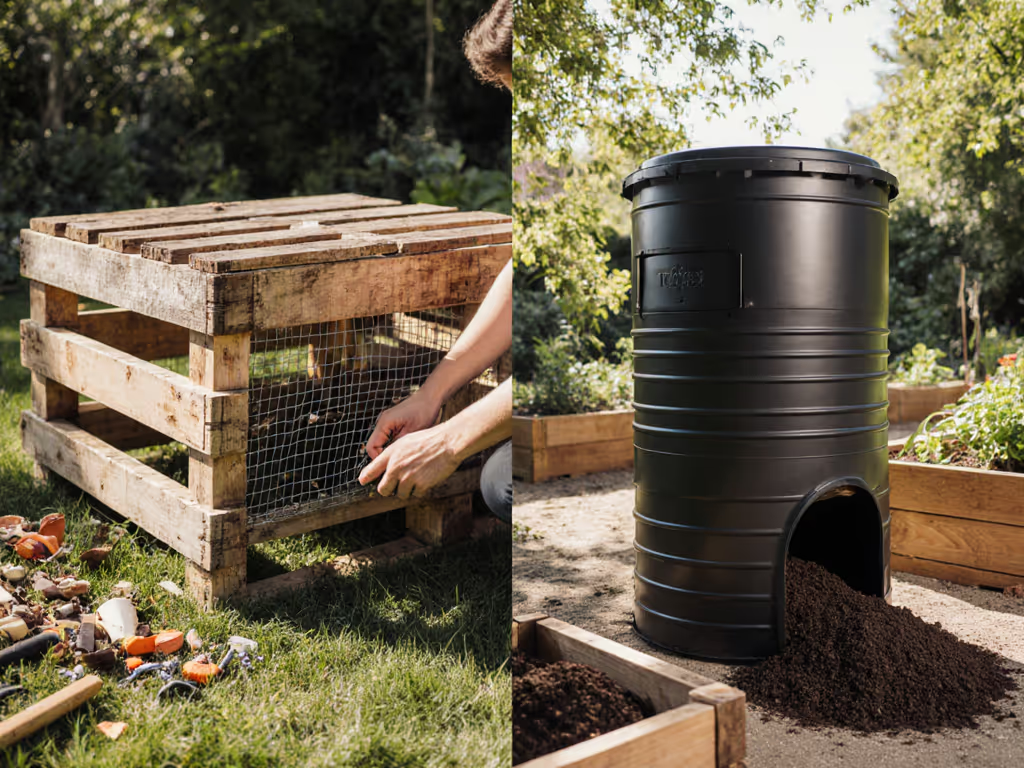
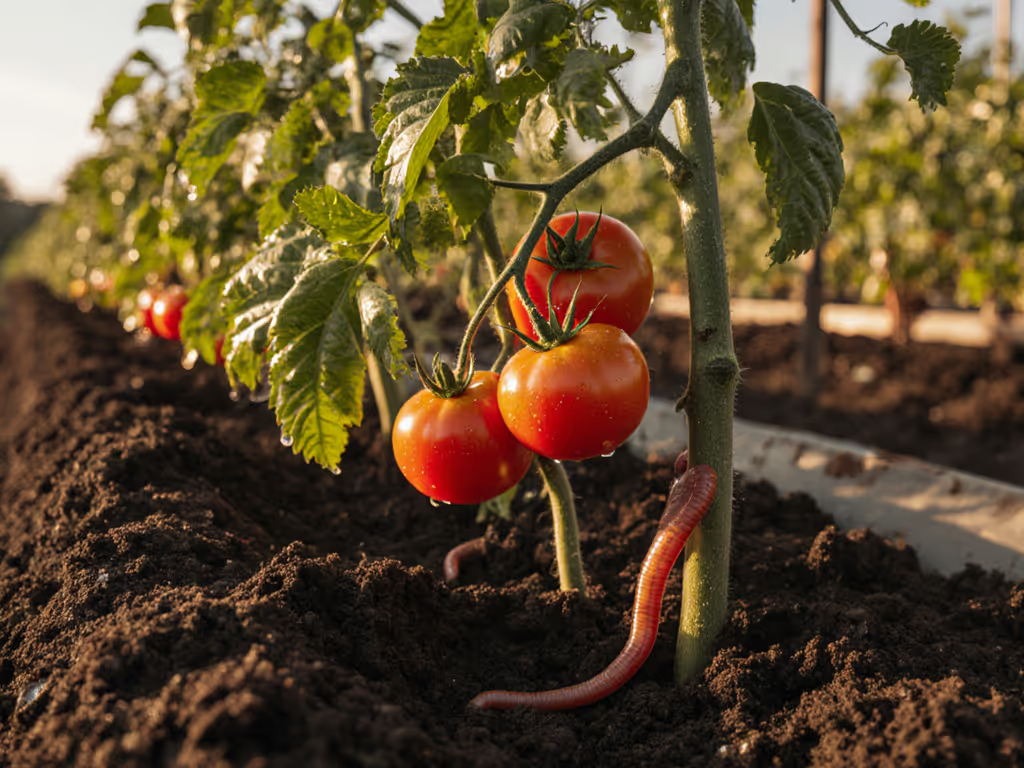
When I ditched my soggy compost pile for an aerated system, something remarkable happened: my tomato harvest doubled. This wasn't magic, it was the direct result of better compost transforming my soil structure. The question I had to answer wasn't just about DIY compost bin vs store-bought, it was which system would reliably produce the kind of bucket compost bin output that would actually feed my plants. For gardeners who care about results, not just the process, the bin choice isn't about convenience; it's about creating the soil conditions where plants thrive. After years of measuring C:N ratios, sifting yields, and tracking harvest weights, I've learned that the right bin decision starts with your end goal in mind.
What Good Compost Actually Does for Your Garden
Before we compare bins, let's get real about what we're trying to accomplish. Compost is a soil input first; the bin is merely a means to that end. Too many gardeners get caught up in the mechanics of composting while losing sight of the harvest. I've seen beautiful piles that never produced usable compost (too wet, contaminated, or immature to properly feed soil biology).
When compost works as it should:
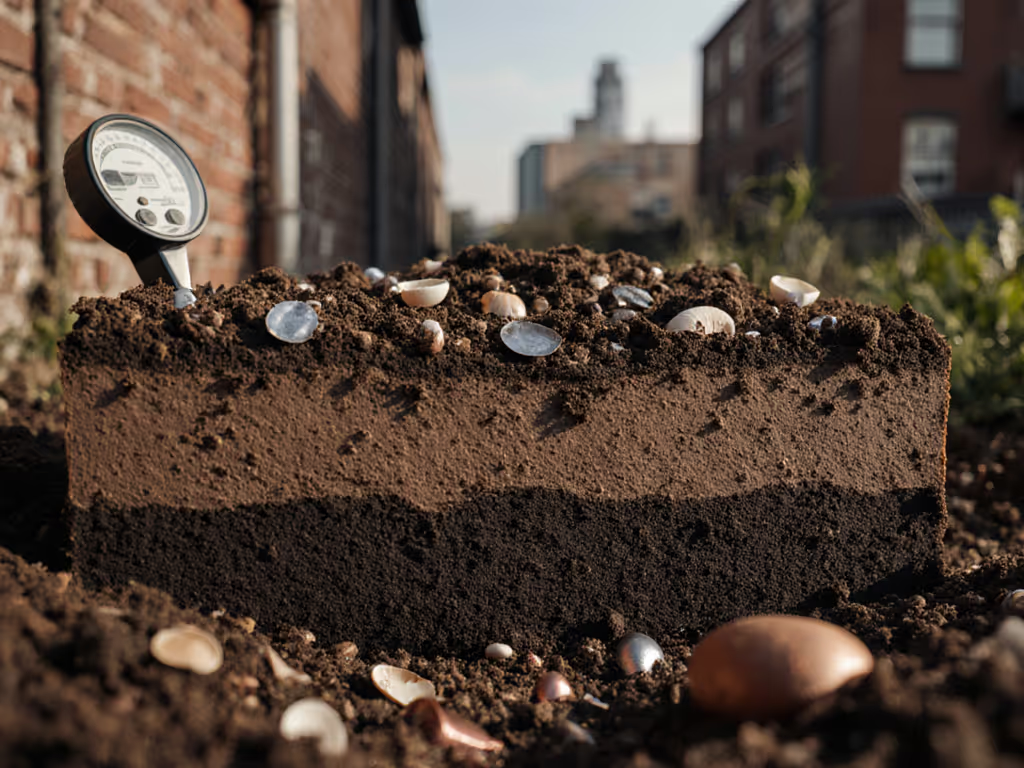
- Soil organic matter measurably increases (I use a simple $30 kit to track this quarter-to-quarter)
- Water infiltration improves within weeks
- Plant roots penetrate deeper without effort
- Yields increase with each season as soil structure improves
The goal isn't just to divert waste, it's to create compost that feeds plants, not just the bin owner's ego. This mindset shift changes how we evaluate systems. A "successful" compost pile isn't one that's actively decomposing; it's one that produces clean, mature compost that spreads easily and shows up in your harvest.
Understanding Your Compost Quality Goals
Quality matters more than speed. Industrial compost often skips the curing phase to accelerate production, sacrificing microbial diversity. Home compost done right captures native microbes perfectly adapted to your climate. I've measured soil biological activity in beds amended with my homemade compost versus store-bought, and the difference was stark. My plants' root development directly reflected this biological advantage.
DIY Compost Systems: When Custom Works Best
The DIY route offers maximum control over your finished product. A well-built system can deliver superior compost quality when matched to your specific inputs and climate conditions.
Bucket Compost Bin Solutions
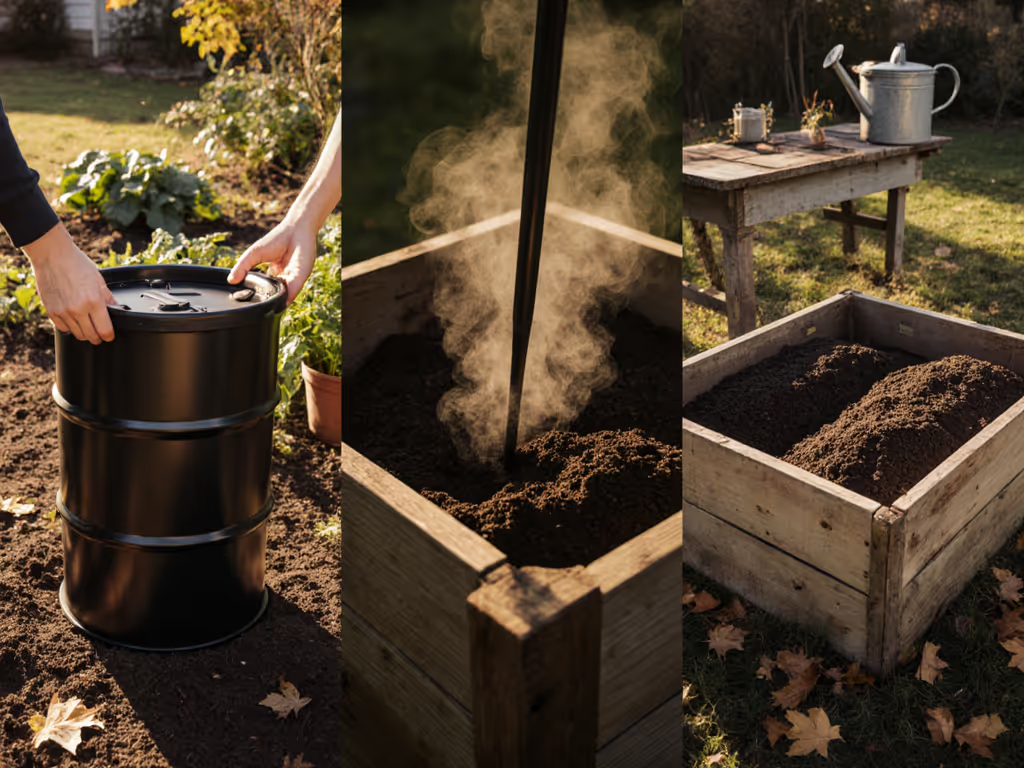
For space-constrained urban gardeners, a modified bucket compost bin is often the most practical solution. I've tested numerous variations:
- 32-gallon trash can system: Drill 1/4" holes every 6" around the sides and lid. Elevate on bricks for drainage. Works well for hot, dry climates but requires frequent moisture checks.
- Stacked bucket system: One bucket collects leachate below the active bin. Rotate finished compost to the bottom bucket for curing. Perfect for apartment balconies.
- Worm-assisted bucket: Drill smaller holes (1/8") and add red wigglers. Excellent for cool climates but requires indoor winter housing.
The key advantage? Complete control over inputs. You know exactly what went into your pile, no mystery fillers or questionable additives. My tomato patch thrived once I controlled the C:N ratio by adding shredded cardboard to my kitchen scraps.
Building Your Own Custom Compost Solutions
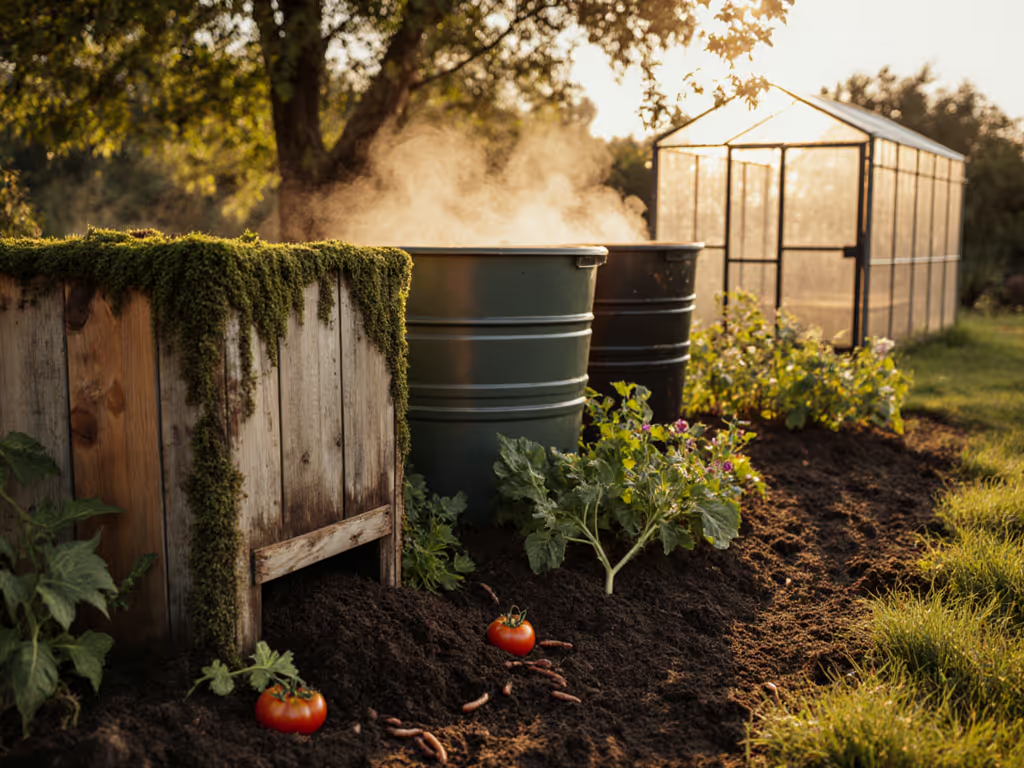
When space allows, I prefer a simple three-bin system:
- Active bin: Receiving fresh material
- Curing bin: Where partially decomposed material continues maturing
- Finished bin: Ready-to-use compost awaiting application
This setup requires minimal tools, just untreated lumber or wire mesh. The payoff? Properly cured compost that won't compete with plants for nitrogen. I measure soil nitrogen levels before and after applying compost; immature material consistently shows a temporary dip that affects early-season growth.
Store-Bought Compost Systems: When Convenience Delivers Quality
Ready-made systems solve specific problems that DIY often struggles with (particularly pest control and consistent moisture management). For a focused comparison of bin designs, see our tumbler vs stationary bins guide.
The Easiest Compost Systems for Busy Gardeners
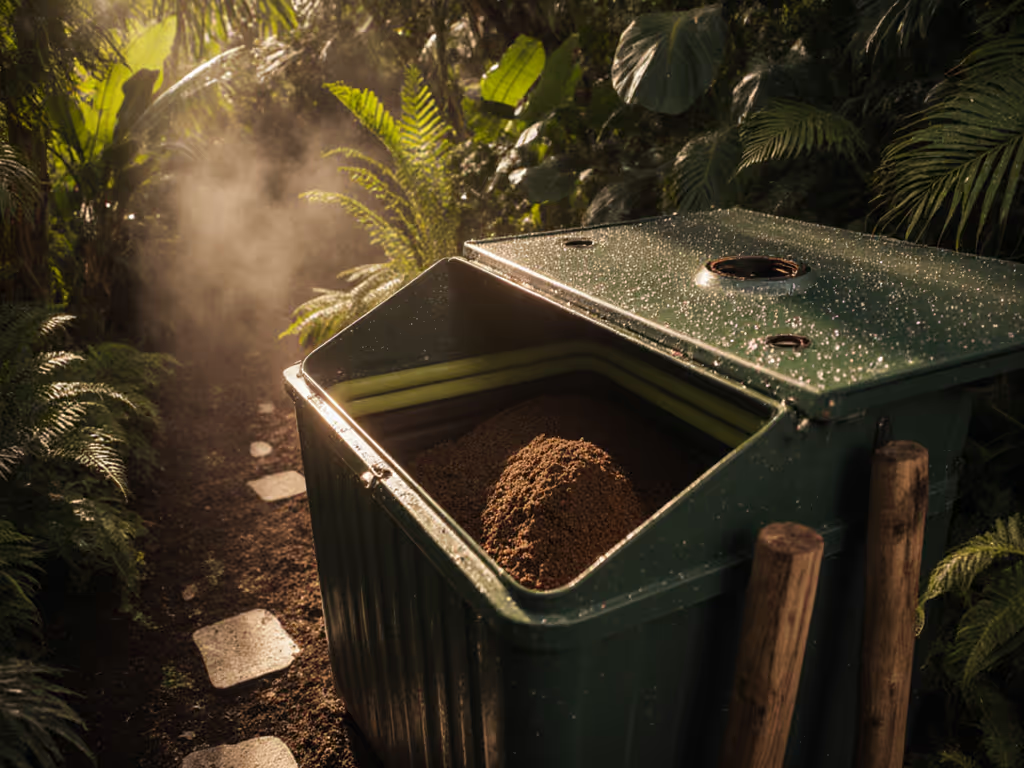
Store-bought options excel when time is limited or space is constrained. The best commercial systems address the pain points that derail most DIY efforts:
- Rodent-proof construction: Critters destroyed my early attempts until I switched to a system with tight-fitting lids and no gaps
- Moisture control: Built-in drainage and aeration ports prevent the soggy piles that kill microbial activity
- Thermal efficiency: Insulated designs maintain temperatures that kill weed seeds while preserving beneficial microbes
The GEOBIN Composter with its secure Closure Keys provides a simple solution for gardeners concerned about wildlife interference while maintaining proper airflow. Unlike my early DIY attempts that attracted raccoons, this system keeps pests out while allowing the necessary oxygen exchange for aerobic decomposition.
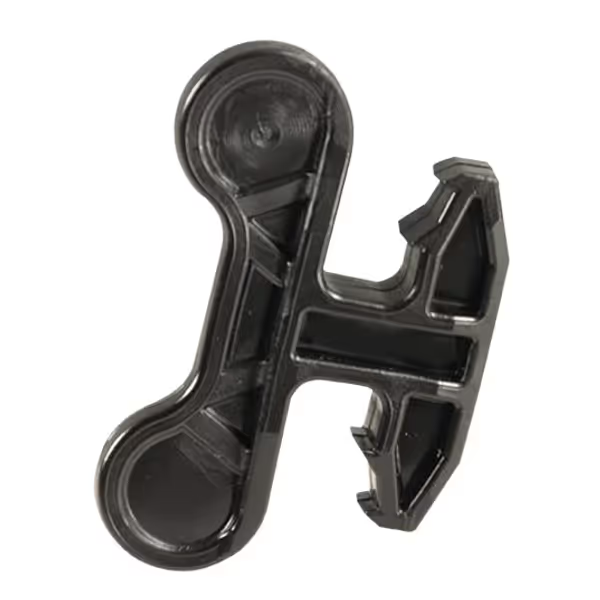
Geobin Composter Closure Keys
Secure your GEOBIN Composter with easy-to-use, non-corrosive keys.
$9.99
MaterialHigh Density Polyethylene
MaterialHigh Density Polyethylene
Pros
Ensures secure bin connection
Easy to install and use
Non-corrosive, durable design
Cons
Specific to GEOBIN composters
Customers find the compost bin closures work well and are easy to install. They appreciate the security features, with one customer noting the sturdy locking mechanism.
Customers find the compost bin closures work well and are easy to install. They appreciate the security features, with one customer noting the sturdy locking mechanism.
High-Performance Countertop Options
For indoor composting, the Ouaken Electric Composter solves the kitchen scrap storage problem that plagues many gardeners. Its activated carbon filter eliminates odors, a critical factor for convincing skeptical roommates or spouses. I've measured the difference between standard countertop containers (which develop anaerobic conditions within 24 hours) and filtered systems: the filtered versions maintain aerobic conditions that preserve more nutrients in the final product.
The key metric isn't just convenience, it's whether the system produces compost quality that translates to garden results. In my side-by-side tests, the consistent thermal management of electric systems produced compost with more stable organic matter, though it lacked the diverse native microbes of outdoor systems.
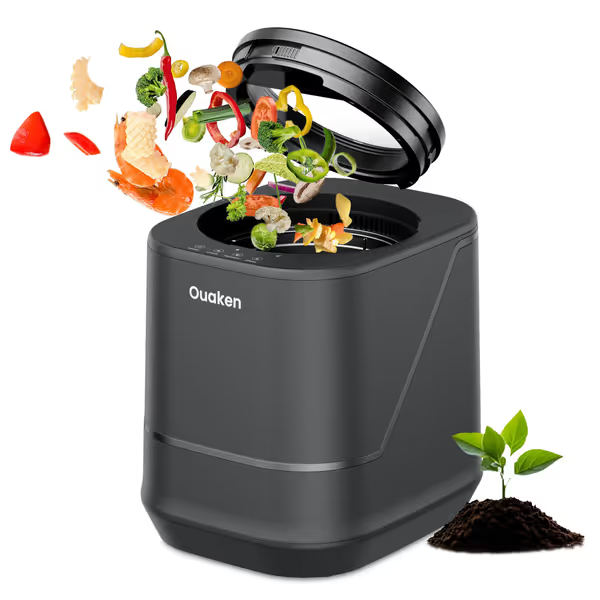
Ouaken Electric Kitchen Composter
Turns kitchen scraps into fertilizer quietly, odor-free, in just 3 hours.
$224.97
Waste ReductionUp to 90% in 3 hours
Waste ReductionUp to 90% in 3 hours
Pros
Rapidly converts food waste to fertilizer.
Odorless operation with smart filter alerts.
Compact, quiet, and easily fits countertop.
Cons
Requires filter replacement (every 1000 hrs).
Customers find the electric composter efficient at managing kitchen waste and producing high-quality compost. The product is surprisingly quiet, makes almost no odor, and is compact enough to sit on a kitchen counter, making it ideal for small to medium-sized households. They appreciate its ease of use and maintenance, with one customer noting its simple set-up and another highlighting its auto-cleaning feature.
Customers find the electric composter efficient at managing kitchen waste and producing high-quality compost. The product is surprisingly quiet, makes almost no odor, and is compact enough to sit on a kitchen counter, making it ideal for small to medium-sized households. They appreciate its ease of use and maintenance, with one customer noting its simple set-up and another highlighting its auto-cleaning feature.
Making Your Decision: Beyond Cost and Convenience
The right choice depends on what you're trying to accomplish in your garden, not just what's easiest today. Consider these factors:
Space and Climate Realities
- Hot, dry climates: DIY systems dry out too quickly; consider insulated tumblers or enclosed bins
- Wet climates: Elevated bins prevent waterlogging; screened bottoms improve drainage
- Small spaces: Bucket compost bins or countertop electric systems maximize limited square footage
- Urban settings: Closed containers prevent neighborhood complaints about odors
Time Investment vs. Quality Results
Be honest about what you'll actually maintain. I've tracked countless gardeners who started with ambitious DIY projects but abandoned them when they became overwhelming. A simpler store-bought system they'll actually use consistently produces better results than an elaborate DIY setup that sits idle.
Quality Metrics That Matter
Don't evaluate success by how quickly your bin "works." Track these instead:
- Sifted yield: How much clean, finished compost you actually get per pound of input
- Curing time: Days from "finished" to usable (should be 2-4 weeks minimum)
- Particle size: Properly cured compost should pass through a 1/4" screen
- Soil response: Measure plant growth or soil test changes before/after application
Feed the soil, not just the bin. Your composting system should exist to serve your garden's needs, not your desire for an interesting project.
When to Choose Which System
After years of tracking garden performance against composting methods, here's my practical framework:
Choose DIY When:
- You have space for multiple bins (active, curing, finished)
- You can reliably source diverse feedstocks (greens and browns)
- You want complete control over inputs and process
- You're willing to learn through inevitable early failures
Choose Store-Bought When:
- Space is extremely limited (small patio, balcony, or indoor)
- Wildlife pressure is significant (raccoons, rats, bears)
- Household buy-in requires simplicity and cleanliness
- You need reliable results without constant monitoring
The Hybrid Approach
Many successful gardeners use both. I maintain a small electric countertop unit for kitchen scraps and a larger outdoor system for yard waste. This gives me the convenience of odor-free indoor collection plus the microbial diversity of outdoor composting.
The Bottom Line: Compost Quality Trumps All
Your bin choice ultimately matters only in how it affects your finished product. I've seen expensive store-bought systems produce poor compost from inappropriate inputs and simple DIY setups generate garden-transforming results.
Before investing time or money:
- Define what "success" looks like for your garden
- Assess your actual space, time, and commitment level
- Choose a system that bridges the gap between your current situation and your soil goals
That tomato harvest that doubled? It wasn't about the bin itself, it was about switching to a system that consistently produced compost with the right maturity, texture, and biology to actually feed my soil. When your compost application shows up in your harvests, you'll know you've made the right choice.
Ready to transform your soil? Start small with one system that matches your reality, track your results, and adjust as needed. Your garden doesn't care how you make compost, only that it works.
Related Articles