Subtropical Compost Bins: Moisture Control Match
By Lucas Hoshino • 28th Apr
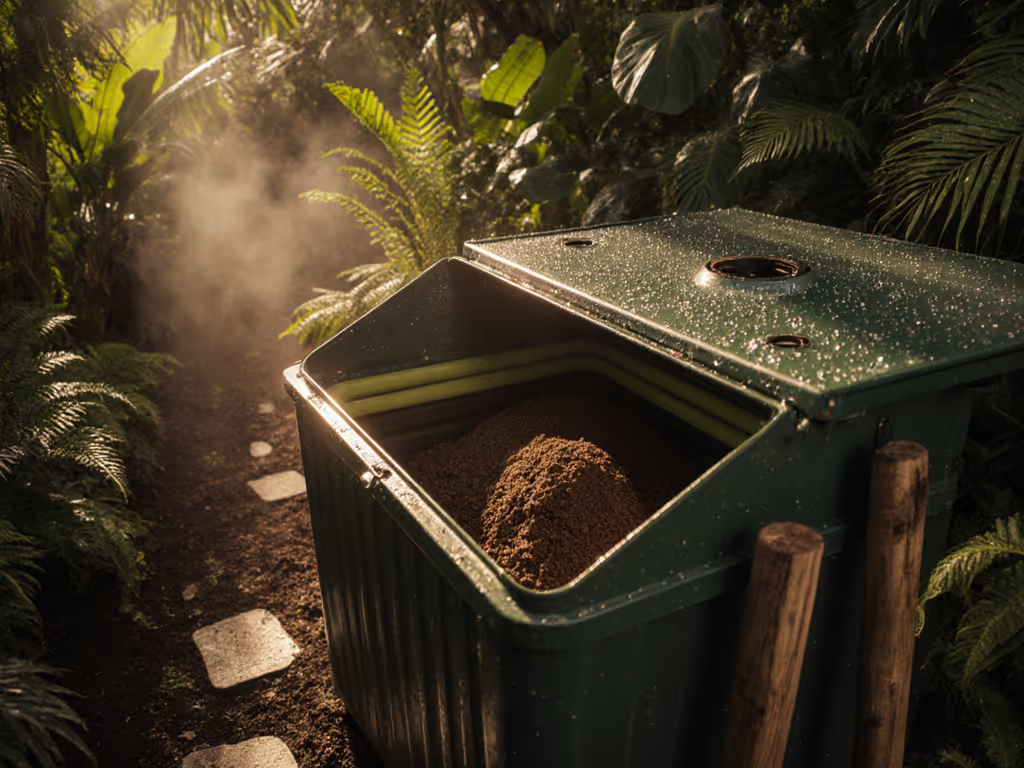
What Makes Subtropical Moisture Control Different?
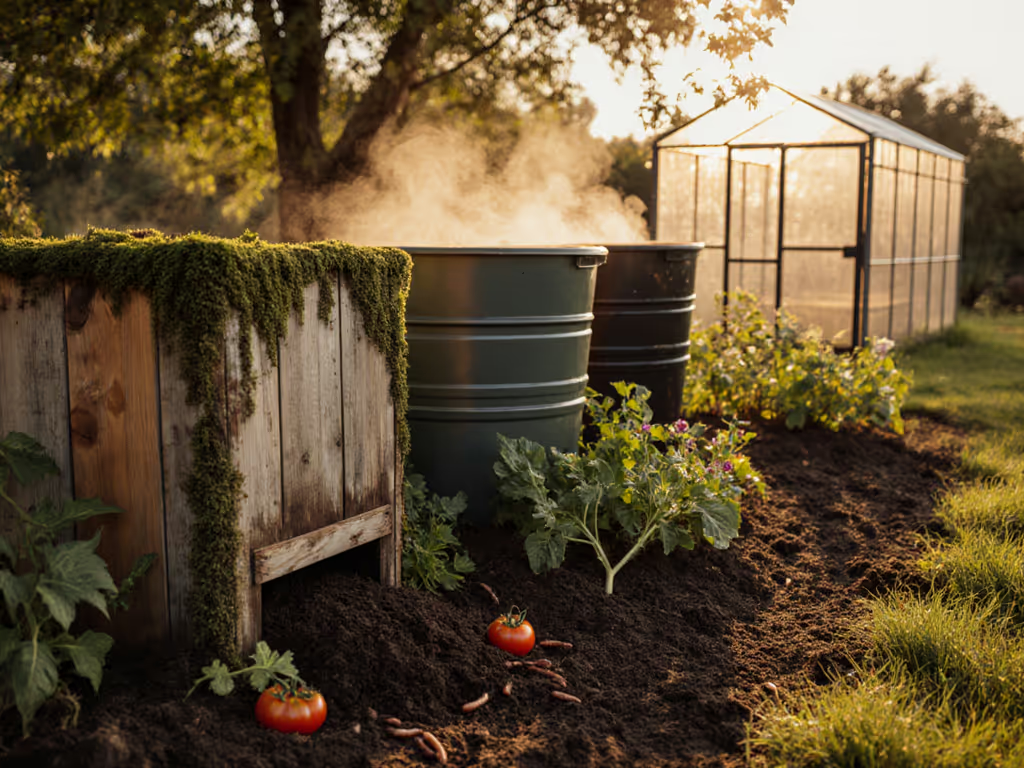
In warm, humid climates, composting feels like fighting physics. Your bucket compost bin and most conventional systems weren't designed for year-round heat and the relentless moisture that defines subtropical gardening. A pile that would mature steadily in a temperate zone becomes an anaerobic swamp in yours (waterlogged, stinking, and useless to the soil). The moisture control challenge isn't just annoying; it determines whether your finished compost feeds your plants or poisons them. High-humidity composting performance depends on matching the bin design to the climate's moisture load, not the other way around.
This guide answers the questions subtropical gardeners actually ask: Which systems handle constant dampness? How do I prevent mold and fermentation instead of decomposition? Which bin setup produces usable compost, not slime?
Why Does High Humidity Wreck Most Compost Systems?
Most compost bins assume moderate drainage and air exchange. In subtropical regions (where humidity often exceeds 70% and rain or irrigation adds constant moisture), the wrong bin becomes a pressure cooker of anaerobic breakdown.
When air can't reach the decomposing material, bacteria that don't require oxygen take over. These anaerobes produce ammonia, methane, and hydrogen sulfide: the rotten-egg smell that prompts neighbor complaints and HOA warnings. More importantly, anaerobic compost is chemically unstable. When you spread it on soil, it consumes nitrogen as it finishes decomposing, starving your plants instead of feeding them. Plants vote with roots, and they'll show their displeasure by growing shallow and weak.
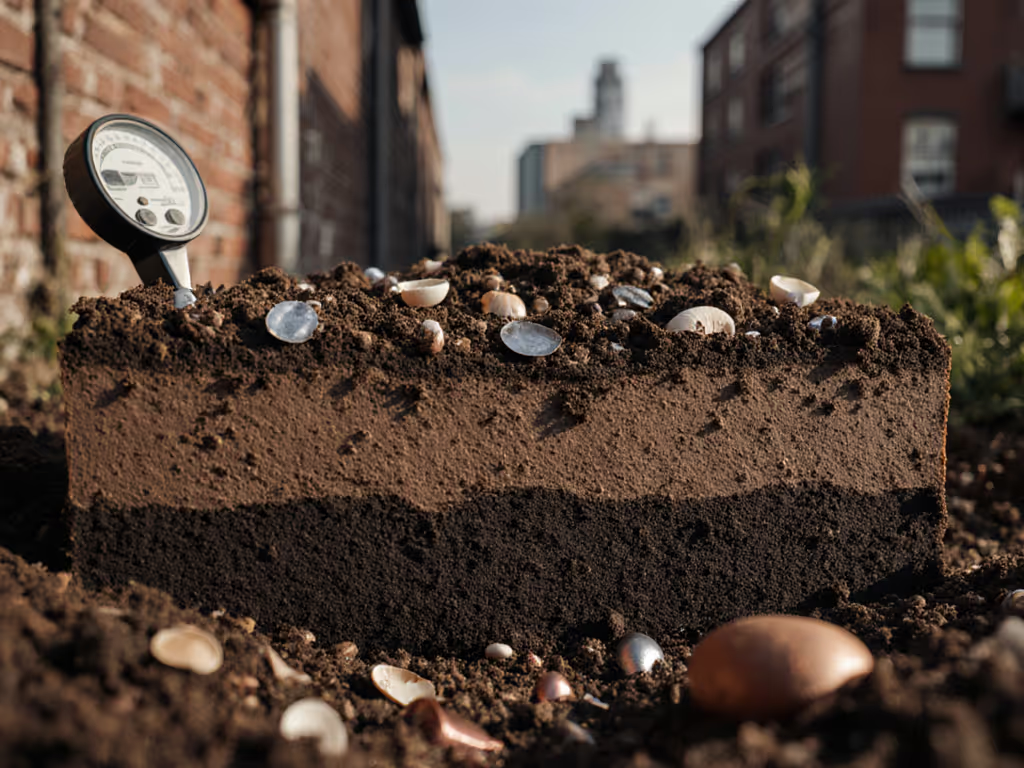
The core problem is airflow. In humid climates, bulk density increases as moisture compacts material. Dense material sheds water like a stone (it pools at the bottom instead of draining evenly), and interior pores collapse. Oxygen can't circulate. The thermometer in the pile might show warm temperatures initially, but that heat signals microbial stress, not healthy decomposition.
Which Bin Designs Actually Work in High-Humidity Climates?
Aerated Static Systems
Aerated static bins rely on forced or passive air flow through the pile rather than turning. They're ideal for subtropical regions because they solve the moisture-and-density trap.
Passive aerated systems use perforated pipes laid horizontally through the pile. As air pressure differences develop (cooler air sinks, warmer air rises), oxygen moves through the pile continuously. No turning required. In high-humidity climates, this passive flow prevents the waterlogging that kills tumblers and confuses new composters.
Active aerated bins pull air through the pile with a small fan. They're more expensive and need electricity, but they're powerful where humidity peaks year-round. You get reliable airflow regardless of season, and you can maintain higher moisture levels (50-60%) without the anaerobic collapse that kills other systems.
Tumbler Bins (With Caveats)
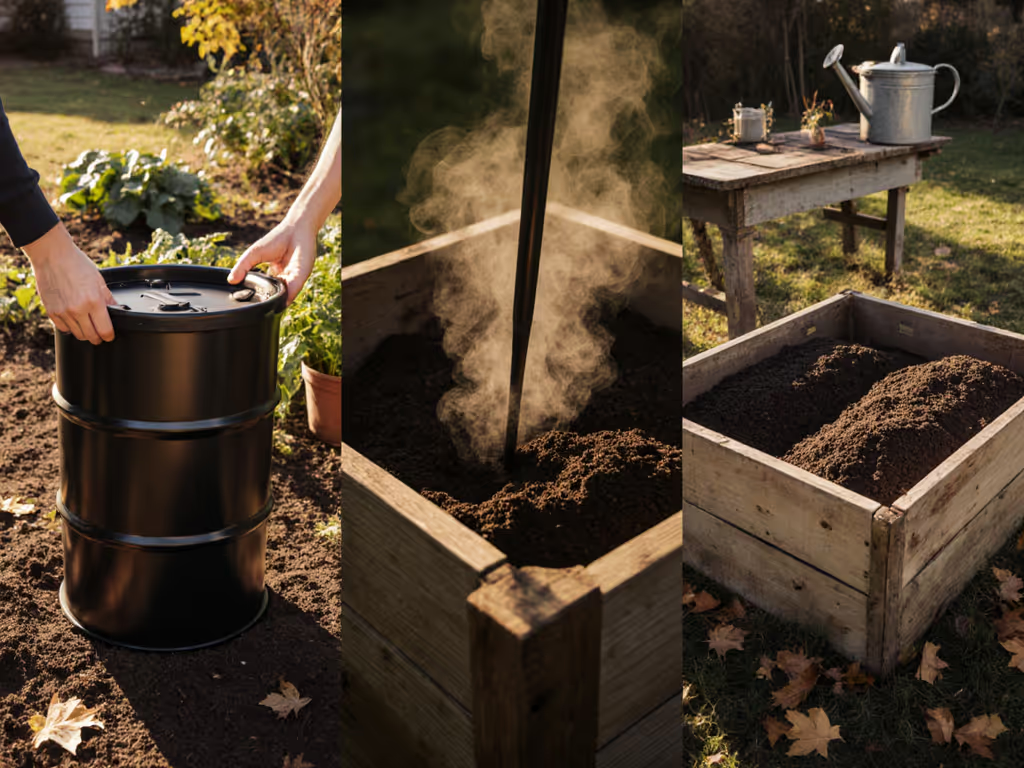
Warm climate compost systems sometimes include horizontal tumblers because turning can mechanically re-aerate material. But here's the honest truth: in subtropical climates, tumblers work only if you commit to aggressive, frequent turning (twice weekly) and manage moisture ruthlessly. Most gardeners don't. The bin becomes too heavy to turn when waterlogged, leading to skipped turns and anaerobic breakdown. If you choose a tumbler, look for one with large, open air vents (not small mesh screens that clog with moisture) and accept that you'll spend more labor in humidity than a cooler climate would require. If you're weighing options, see our stationary vs tumbling bins comparison to understand trade-offs in airflow, labor, and moisture control.
Slatted Wooden Bins (Quick, But Time-Bound)
Open-sided wooden bins with gaps between slats allow excellent airflow. They're cheap and fast if you accept one limitation: they dry out unevenly in intense heat and oversaturate in rain. Subtropical gardeners often use slatted bins for a single 4-6 month run during the drier season, then switch methods for humid months. It's a hybrid approach, not a year-round solution.
Bucket Systems for Scrap Collection
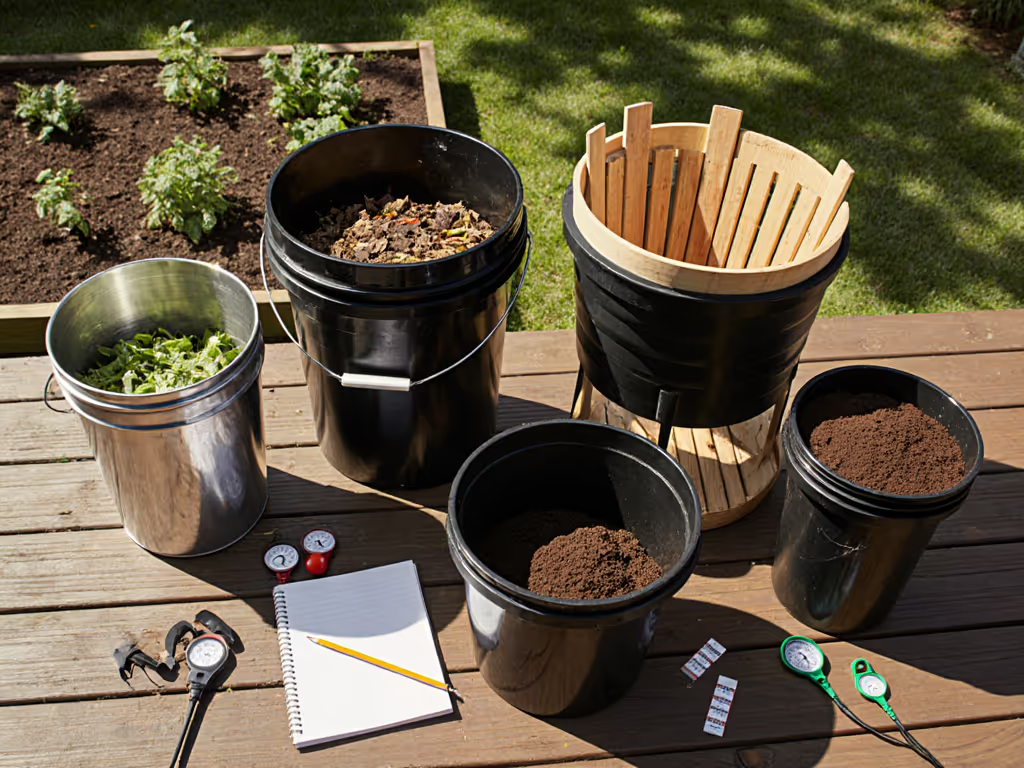
A bucket compost bin shouldn't be your main composting vessel in humid climates (it's too dense and too small). However, buckets excel as anaerobic fermentation vessels for storing kitchen scraps before they enter your main system. A sealed bucket with a vent-hole and perforated drain stays manageable, prevents odor indoors, and lets you batch material into your aerated bin on a schedule. Many subtropical gardeners keep a 5-gallon bucket in the kitchen, fill it over 2-3 weeks, then add the pre-fermented material to their main system in bulk. To make kitchen collection painless and odor-free, use one of our tested countertop compost containers.
How Do You Actually Control Moisture in Subtropical Bins?
Modify Your C:N Ratio for Your Climate
The classic 30:1 carbon-to-nitrogen ratio assumes moderate conditions. In subtropical climates, aim for 40:1 or even 50:1 if humidity stays above 70%. Extra carbon (browns) absorbs moisture and creates pore space. More pore space = more air pathways = faster decomposition and less smell.
What does this look like in practice? If you'd normally add two scoops of grass clippings (nitrogen), add five scoops of shredded leaves or straw (carbon) instead. Yes, decomposition takes slightly longer, but the finished compost is stable, aerobic, and ready to feed your plants instead of competing with them for nitrogen.
Use Strategic Layering
In mold-resistant compost designs, layering creates natural air channels. Alternate thin layers of fine greens (kitchen scraps) with chunky browns (shredded wood, straw, coarse leaves). The chunky layers stay porous; moisture filters through without pooling. Fine greens compress less when supported by coarse materials below.
Avoid packing or pressing layers down. Gravity will compact the pile on its own. Your job is to keep structure alive.
Drainage and Moisture Management
If your bin doesn't have a drain, add one. Liquid compost (leachate) pooling at the base is a sign of anaerobic conditions and should be drained off weekly in tropical humidity. That liquid should go to your garden, not the ground next to your bin (it's nitrogen-rich and useful).
For bins with drains, check weekly in wet season and add supplemental browns if drainage backs up. Slow drainage signals compaction. Stop adding material, let the pile rest, and increase turning (if it's a tumbler) or let the aeration system work longer (if it's forced-air).
Timing and Seasonality
Many subtropical garden composting systems work better if you respect seasonal windows. Start active piles during the drier season; use those months to produce mature compost. During the wet season, shift to vermicomposting indoors or bokashi fermentation (sealed, anaerobic-by-design), then move that finished material to your main bin when humidity drops. For sealed, wet-season processing that prevents odors, start with our bokashi composting guide.
This isn't giving up; it's aligning method to climate. Your piles will thank you with faster maturity and less management stress.
Does Bin Choice Actually Affect Plant Performance?
Yes. This is where theory meets soil.
I once ditched a soggy static pile for a proper aerated bin. The pile before it had looked "composting" (warm, active) but it was fermenting, not decomposing. When I spread that half-finished material on my beds, tomato roots stayed shallow and tangled. Growth was stunted. Yields were mediocre.
When I switched to an aerated system, logged my C:N ratios, and sifted the output through a cheap frame to catch underfinished material, the difference showed in the soil. Root depth doubled. Soil organic matter climbed steadily (I measured it with a basic kit). The following season, tomato harvests nearly doubled. That isn't magic; that's the difference between compost that feeds plants and compost that just occupies space.
Compost that feeds plants, not just the bin owner's ego (that's the measure).
What Should You Look For When Choosing a System?
Ventilation: Does the bin have ample air vents? Mesh screens clog in humidity; choose open slats or perforated pipe.
Drainage: Is there an accessible drain or option to add one? Weekly drainage checks are non-negotiable in wet climates.
Material: Plastic bins are cheaper but can degrade in intense UV. Wood is traditional but rots in tropical humidity; treated wood is worth the cost if you're in year-round heat. Metal bins avoid rot but conduct heat aggressively, potentially overheating material in peak summer.
Capacity: Subtropical systems need time to mature, often 4-6 months even with good aeration. A 4-cubic-foot bin might take 3+ months to accept your household's scrap volume. Undersize, and your scraps pile up; oversize, and material density soars. Match bin size to your weekly green volume, then add 30% capacity for turning or layering flexibility.
Access: Can you reach the bottom for finished compost removal without dismantling the bin? In subtropical climates, remove finished material frequently to prevent moisture lock-in at the base.
Further Exploration: Testing Your System
If you're unsure whether your chosen bin is working in your climate, run a simple diagnostic:
- Check interior moisture. Squeeze a handful of material from the center. It should feel like a wrung-out sponge (damp, not dripping). If water runs out, aeration is failing or drainage isn't adequate.
- Track temperature and smell weekly. Stable warmth (110-130°F in the active zone) signals aerobic work. For accurate monitoring in humid piles, choose a reliable compost thermometer suited to your bin depth and style. Sudden cooling or ammonia smell means anaerobes are taking over.
- Measure decomposition. Mark a recognizable object (a stick, a shard of eggshell) at the start and note when it disappears. In subtropical climates with proper aeration, dense material like wood chips should break down in 3-4 months. If it's still visible after 6 months, airflow or moisture control needs adjustment.
- Test finished compost on a small garden bed. Before spreading widely, use your compost on a test patch with a plant you monitor closely. If roots dig deep and growth is vigorous, your system is working. If growth is weak or roots stay shallow, your compost still needs maturity or your aeration needs tuning.
Subtropical composting isn't harder than temperate composting; it's just different. The right bin, matched to your climate and your material flow, turns that constant humidity from a barrier into background noise. Your soil and plants will notice the difference first.
Related Articles