Aquatic Plant Composting Guide: Safe Methods
By Lucas Hoshino • 6th May
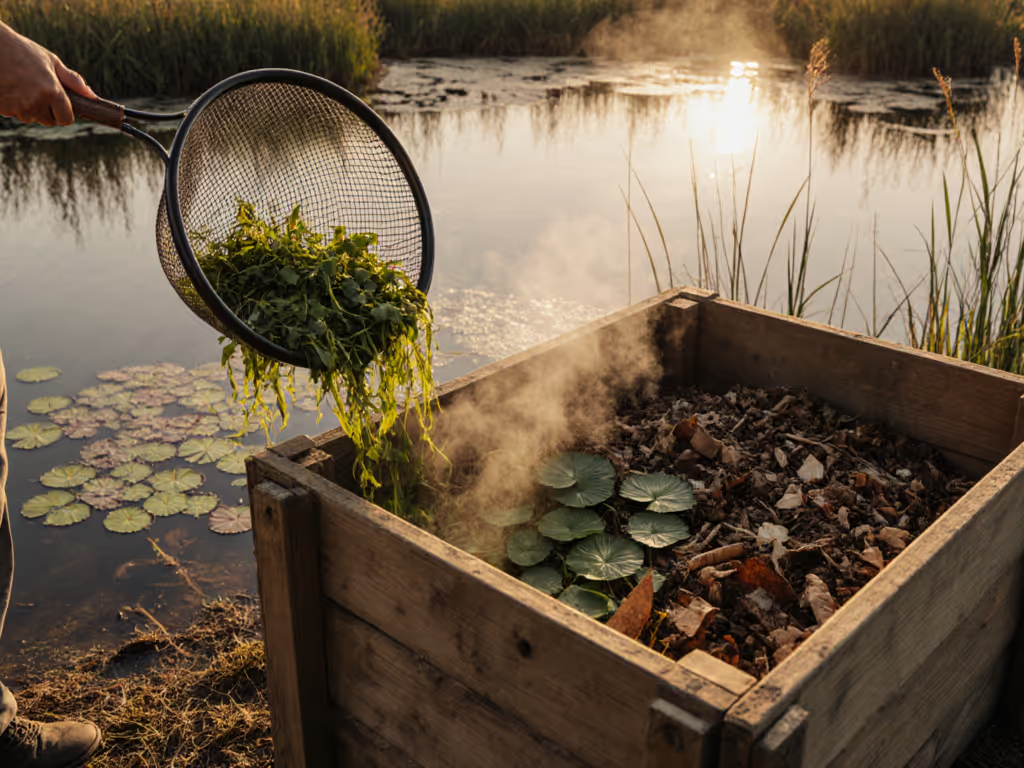
If you're managing a pond, water garden, or live near a waterway, you've likely faced a familiar challenge: what to do with harvested aquatic vegetation. Rather than sending it to the landfill or letting it accumulate, aquatic plant composting offers a practical way to transform pond waste into soil nutrition. But composting aquatic plants differs significantly from yard waste composting. The moisture content alone demands different handling, and certain feedstocks (particularly invasive species) require careful attention to prevent ecological harm. This guide cuts through the complexity and shows you how to produce finished, usable compost from aquatic material while mitigating real risks.
FAQ: Understanding Aquatic Plant Composting
What Makes Aquatic Plants Different from Terrestrial Garden Waste?
Aquatic plants arrive at your compost bin soaking wet. That's both an advantage and a constraint. On the surface, they're nitrogen-rich, which accelerates decomposition. A recent study on water vegetation composition confirms aquatic plants typically contain 1.5 to 3% nitrogen by dry weight, making them excellent microbial food.
However, that moisture (often 80 to 90% of fresh weight) creates anaerobic zones if not managed carefully. Anaerobic decomposition stalls progress, produces odor, and leaves you with a sludgy mess rather than finished compost. The solution is straightforward: balance that moisture with carbon amendments from the start. For ratios that work, see our green-brown balance guide.
Outcome-first framing: Your goal isn't to prove composting works; it's to produce compost that feeds plants, not just the bin owner's ego.
From a feedstock perspective, pond maintenance waste recycling works well because aquatic material (algae, water lilies, invasive water plants) breaks down predictably when oxygen is maintained and carbon is added. The path from bin to bed is clearer than with woody branches or tough perennials.
Can I Safely Compost Aquatic Plants Without Ecological Risk?
Yes, with one critical caveat: location and follow-through matter.
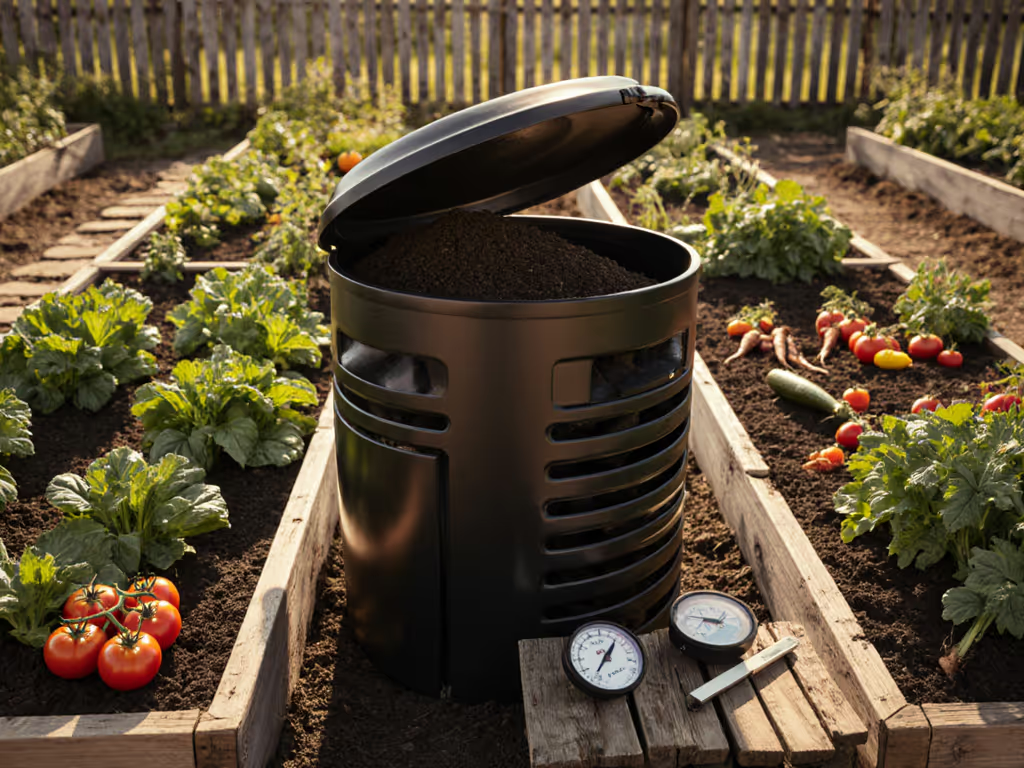
The primary concern is invasive species viability. Aquatic invasive species such as European water chestnut produce hard, sharp seeds that can survive short decomposition timelines. If your compost pile never reaches sustained temperatures above 50 to 55°C (122 to 131°F), some seeds may remain dormant and viable for years. To track heat accurately, choose a reliable compost thermometer. That's why the research literature emphasizes one key rule: your composting area must be located away from any surface water or drainage that leads to it. If water chestnut compost is ultimately applied to land, it should be worked into soil, not left on the surface where wind, runoff, or wildlife could transport seeds back to water.
For common aquatic plants (water lettuce, duckweed, water lily foliage) this concern is minimal. They decompose fully within a standard compost timeline. The risk is mainly specific to hard-seeded invasive species; verify what you're composting before deciding on location and application protocol.
Applied compost should also be completely decomposed and dry before spreading, and never applied where runoff reaches ponds or streams. This is both ecological good sense and practical: wet compost invites rework and doesn't integrate cleanly into beds.
What Algae Composting Methods Work Best?
Two approaches dominate:
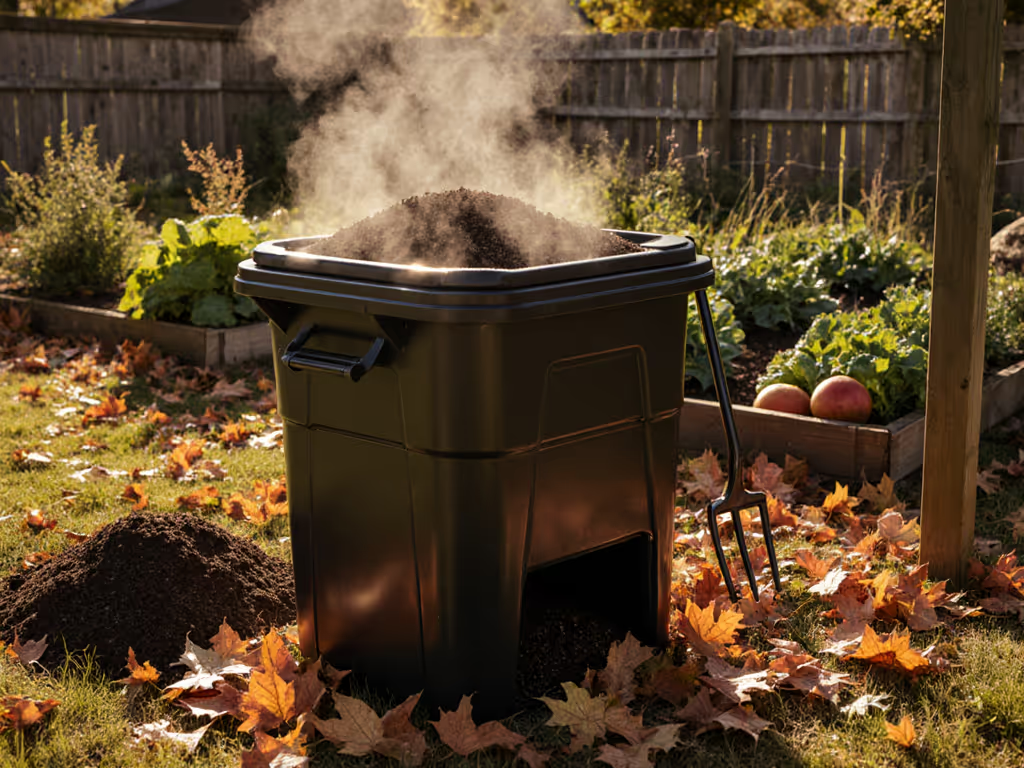
Aerated static bins with high carbon amendment are the most reliable method. Layer your wet aquatic material (fresh algae, harvested pond plants) with shredded leaves, straw, or cardboard at roughly a 2:1 carbon-to-wet-aquatic-material ratio. The carbon creates air pockets and absorbs excess moisture. Turn the pile weekly for 6 to 8 weeks, or let passive aeration work over 3 to 4 months with minimal disturbance. This method produces finished, crumbly compost suitable for direct garden application. It also scales well; I know gardeners who've processed 15 tons of lake vegetation this way over a single season.
Turned pile method works if you're willing to physically turn regularly, typically once per week. It's more labor-intensive but faster (finished in 4 to 6 weeks in warm weather). Again, carbon amendment is non-negotiable. Without it, a turned pile of pure aquatic material becomes a slimy, oxygen-depleted mess.
Avoid closed tumblers or bins without drainage if your feedstock is predominantly aquatic; the moisture load will overwhelm the system's oxygen capacity. If you're weighing designs, see our stationary vs tumbling bin comparison.
How Do I Balance Carbon and Nitrogen in Aquatic Compost?
This is where composting becomes quantifiable. Aquatic plants are nitrogen-dense, so your carbon addition is the lever that controls decomposition speed, odor prevention, and finished product quality.
Target a starting C:N ratio of roughly 25:1 (carbon:nitrogen by dry weight). For wet aquatic plants at 80 to 85% moisture, this typically translates to adding 2 to 3 parts high-carbon material (by volume) per 1 part fresh aquatic material. Shredded leaves work best if available; straw and cardboard are solid alternatives.
If your pile smells ammoniacal (sharp, pungent), you've got excess nitrogen. For odor and pest troubleshooting, use our neighbor-friendly compost bin solutions. Add more carbon and turn to restore oxygen. If decomposition stalls and the pile stays cold, you likely need more nitrogen or better moisture balance; aquatic material alone may have desiccated or the pile is too dry. Check by squeezing: finished compost should feel like a wrung-out sponge.
This isn't guesswork. Documenting carbon and moisture inputs (even roughly) tells you why a batch succeeds or fails, and how to adjust next time. That data point matters more than any additive.
When Is Aquatic Compost Finished, and How Do I Know?
Finished water garden compost should be:
- Dark brown to black in color
- Crumbly texture; individual particles no longer recognizable
- Pleasant, earthy smell (not sour or ammoniacal)
- No residual whole seeds (especially critical for invasive species concerns)
- Passes the sift test: material finer than 0.5 cm passes through a basic frame sieve
Timeline varies by climate, carbon type, and aeration. Warm seasons and turned piles typically finish in 4 to 8 weeks. Passive, unturned systems take 3 to 6 months. Cool climates slow everything; winter piles may not finish until spring. For cold-season adjustments, follow our seasonal composting routine.
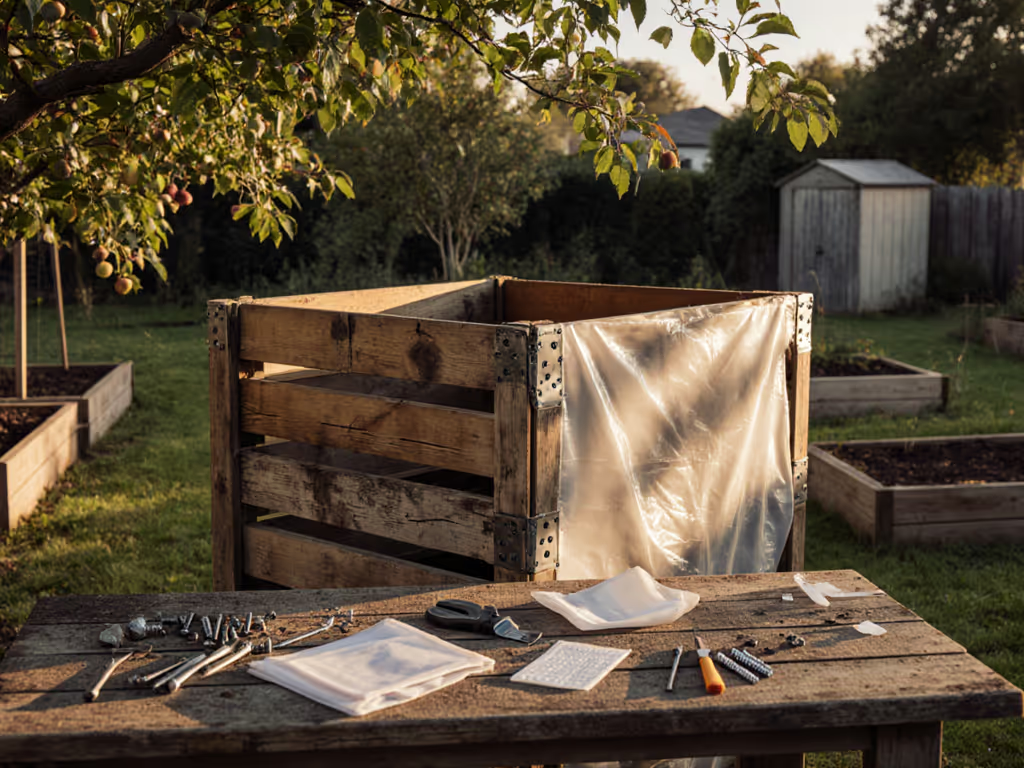
Sifting deserves its own mention. A cheap 0.5 cm frame sieve (under $30) separates finished compost from half-decomposed chunks. Finished material is what you use on beds; the coarser material goes back to the pile. This single step raises quality dramatically and ensures cleaner application.
What Soil Benefits Does Aquatic Compost Deliver?
This is the outcome that matters: does it feed the soil and show up in plant performance?
Aquatic-origin compost, when fully finished, performs equivalently to terrestrial plant compost in organic matter addition and nutrient density. The difference is practical. Because aquatic plants are often harvested en masse (especially algae or invasive water plants), you can produce large volumes relatively quickly, giving you substantial soil input per season. Applied at 1 to 2 inches tilled into vegetable beds or mixed into container soil, aquatic compost improves water retention, increases microbial activity, and supplies slow-release nitrogen.
The real test is in yields and root depth. When I shifted from a soggy, oxygen-starved pile to an aerated static setup with careful carbon balance, my tomatoes doubled over three seasons. I logged the C:N ratios, sifted every batch, and measured soil organic matter with a basic test kit. The connection between bin choice, finished compost quality, and harvest was undeniable. Feed the soil, and the soil returns the favor.
Should I Worry About Contamination in Aquatic Compost?
Aquatic ecosystem composting carries fewer contamination risks than terrestrial yard waste, provided you source carefully. Pond-harvested plants are generally free of synthetic pesticides (ponds in residential areas may have legacy metals, but municipal water-body plants are typically clean). Algae harvested from lakes is lower risk than algae from stagnant residential ponds where herbicides might concentrate.
The main contaminant to avoid is plastic or synthetic material accidentally harvested with plants. Visually inspect fresh feedstock and remove any netting, rope, or debris before composting.
If you're composting aquatic invasive species specifically and plan to apply the finished compost near water, err on the side of caution: compost it hot (turned pile, warm season), sift thoroughly, and mix finished product deep into soil at least 50 feet from surface water.
Closing: Start Small and Measure
Aquatic plant composting is achievable and economically sound. The upfront demand is clarity on carbon sourcing, moisture balance, and location (away from water). The payoff is free, finished compost that improves soil structure and plant health.
If you have aquatic waste available seasonally, a single batch experiment this year will show you whether aerated static or turned pile suits your space and climate. Document your inputs, track decomposition weekly, and sift the finished product. Next season, you'll have data to scale confidently, or adjust method based on what you learned.
Compost that works is compost that ties back to your beds and your harvests. That's the only metric that matters.
Related Articles