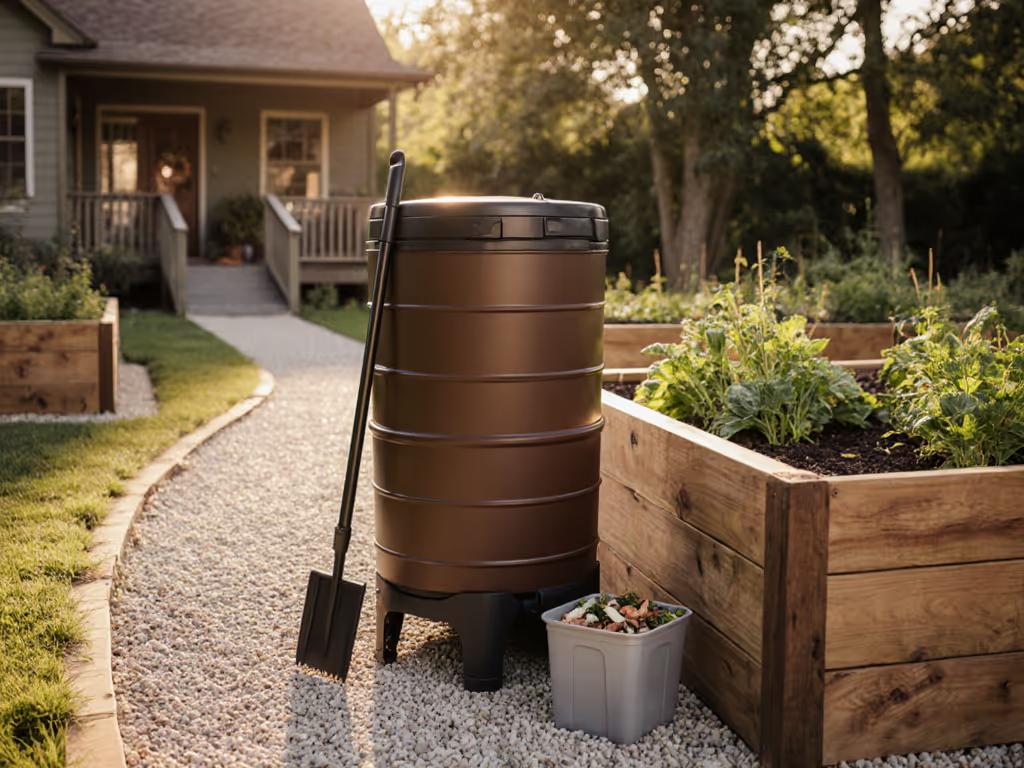
Beekeeping Composting: Byproducts to Garden Gold
By Chinara Okoye • 4th Apr
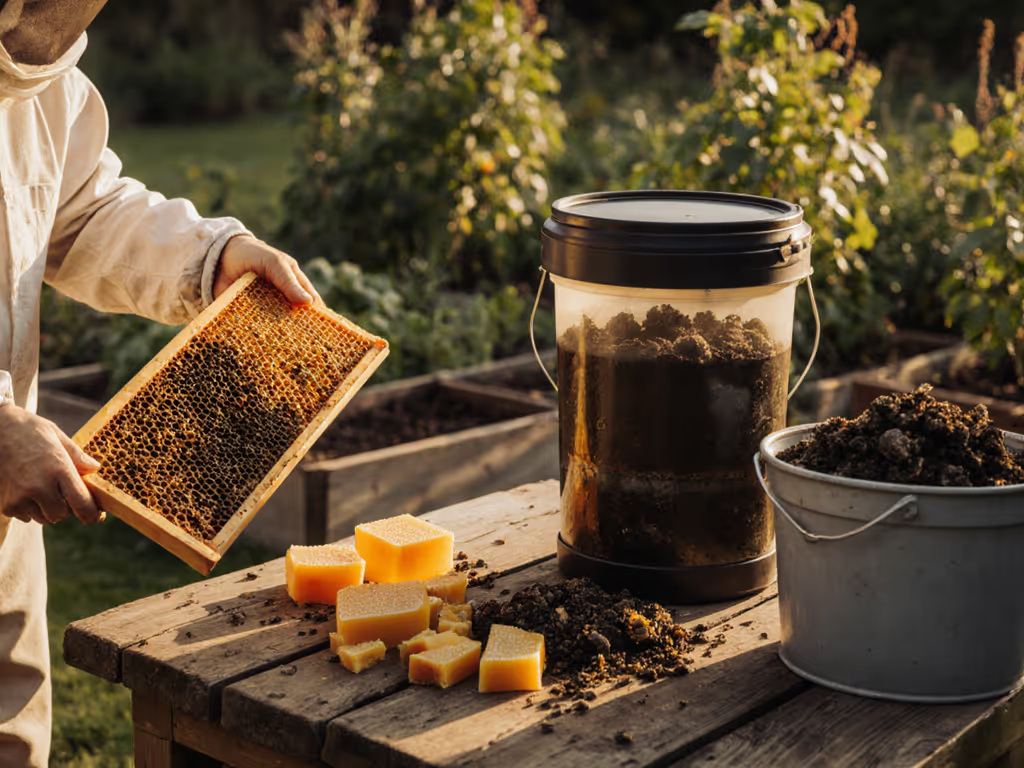
Beekeeping composting transforms apiary waste into nutrient-dense amendments without requiring additional space or noise, a quiet multiplier for gardeners managing limited footprints. Whether you keep a hive in a backyard or tend multiple colonies, the byproducts (beeswax, propolis, cappings, and spent comb) represent both a disposal challenge and an ecological opportunity. Rather than discarding these materials, integrating them into apiary waste compost methods creates a closed-loop system that strengthens soil, supports pollinators, and eliminates the guilt of waste.
Small space, big results (quiet, tidy, sealed, and neighbor-proof). That principle guides effective beekeeping composting. If odor or pests worry nearby neighbors, see our neighbor-friendly compost troubleshooting guide.
Understanding Apiary Byproducts and Their Composting Potential
Beekeeping generates several distinct waste streams, each with different composting characteristics. Honeycomb cappings (the wax seal bees apply to capped honey), brood comb fragments, and burr comb represent the highest volume. Propolis (the resinous material bees use to seal the hive) and wax foundation scraps follow. Raw beeswax and bee-soiled debris round out the palette.
Most of these materials resist traditional hot composting due to their waxy, lipid-rich composition. Wax melts rather than decomposes in standard aerobic conditions, creating a barrier that blocks microbial activity. This is not a dead end, it is a signal to choose methods aligned with the material's chemistry. For a broader reference on acceptable inputs, bookmark our compost ingredients list.
Categorizing Your Apiary Output
Before selecting a honeycomb composting or propolis-focused approach, quantify what you generate annually. A single hive yields approximately 1-3 pounds of cappings per season, depending on honey flow and harvest method. Multiple hives scale this proportionally. Measure your footprint: calculate total annual volume, then choose a system sized to your actual throughput rather than idealized capacity.
Composting Methods for Apiary Waste
Wax Foundation Composting and Separated Systems
Wax foundation composting works best when wax and comb are separated from organic material. Dedicate a small, sealed container (a 5-gallon bucket with a fitted lid is ideal) to accumulate wax cappings and foundation scraps. Once full, process them through solar melting (place in a dark bag in direct sun) or low-temperature water processing to recover wax while solid debris remains. The recovered wax becomes usable for candles, wraps, or beeswax products; the remaining cellular matter (small solids) can then enter a bokashi or vermicompost bin.
This separation step eliminates a common frustration: wax-clogged bins that resist breakdown and trap moisture.
Bokashi Integration for Mixed Apiary Waste
Bokashi (anaerobic fermentation using microbial inoculant) is a natural fit for beekeeping byproducts. Bokashi tolerates fatty, proteinaceous, and waxy materials that standard aerobic systems resist. Layer cappings, bee-soiled comb, propolis chunks, and brood fragments between bokashi bran additions in a sealed bokashi bucket. The anaerobic environment ferments rather than rots, producing no odor, a critical advantage in shared or rental housing.
After 2 weeks, the fermented mass can be transferred to a secondary compost system (outdoor pile, vermicompost, or municipal green waste) for final decomposition. In my 500-square-foot studio experience, bokashi handling revealed a hard truth: even fermentation still leaves residual wax that requires patient, low-agitation finishing in a separate stage. Paired with a secondary tray and a Sunday drop-off at a local composting site, the system became invisible, and my landlord stopped asking questions.
Vermicomposting with Restrictions
Bee-friendly soil amendment goals align with worm composting, but red wigglers require careful management around wax. Worms cannot digest wax efficiently; excessive wax smothers bedding and reduces their surface area for processing. Limit wax materials to 10-15% of total feedstock by volume. Pre-ferment wax-heavy loads in bokashi first, then introduce the softened residue into established worm bins in thin, scattered layers rather than concentrated piles.
Vermicompost finished with apiary amendments produces a mineral-rich castings blend that bees and other pollinators respond to favorably when used in pollinator plant beds.
Propolis and Specialized Composting Techniques
Propolis compost techniques require a distinct approach due to propolis's antimicrobial and resinous nature. Raw propolis chunks resist microbial breakdown and can inhibit microbial communities in active compost piles. Two practical routes exist:
-
Extraction and separation: Soak propolis scraps in high-proof alcohol to extract the resinous compounds (yielding a medicinal tincture), then compost the dehydrated residue. This adds a secondary product, propolis extract, while leaving compostable solids.
-
Slow, cold decomposition: Layer propolis chips into a passive outdoor pile with high carbon (leaves, straw) and allow 12-18 months for breakdown. Cover to protect from rain and animals. Propolis gradually surrenders to fungal activity under anaerobic, cold-season conditions.
Neither method is quick, but both are passive and require minimal intervention, ideal for space-constrained composters.
Integration with Existing Compost Workflows
If you already manage a compost system, apiary byproducts integrate smoothly when layered thoughtfully. Add wax cappings and small comb fragments directly to a hot pile only if you are willing to accept slower decomposition and potential residue. Otherwise, pre-process through bokashi or melting, then layer fermented residue into piles in thin bands (no more than 10-15% by volume) alongside abundant high-carbon material (shredded paper, dried leaves).
The result: your existing system accommodates apiary output without becoming anaerobic, compacted, or blocked. Finished compost retains the earthy, microbially active quality that supports strong plant growth and pollinator-friendly soil ecosystems.
Measuring Returns: Nutrient Profiles and Garden Outcomes
Compost enriched with processed apiary byproducts shows measurable benefits. Beeswax residue, once broken down, contributes slow-release carbon and structure to heavy clay soils. Propolis-treated compost displays antimicrobial qualities that reduce fungal disease pressure in seedling trays and plant beds, an empirical advantage in humid climates.
Soil treated with bee-compost amendment supports stronger plant vigor, higher bloom production, and increased pest resilience, outcomes that, in turn, reward your hive with richer forage. This reciprocal loop (bees → compost → better flowers → better bees) transforms waste management into ecosystem stewardship.
Practical Setup for Renters and Small Spaces
Rental agreements and HOA restrictions often prohibit open composting but permit sealed fermentation. For more temporary, no-install options, explore our renter-friendly composting guide. A dedicated bokashi bucket (typically 5-10 gallons, visually neutral) fits under a kitchen sink, on a balcony corner, or in a closet. Wax cappings accumulate in a separate, sealed 5-gallon container. Neither generates odor or noise when managed correctly.
Schedule a monthly "apiary compost day": layer bokashi bran with accumulated apiary waste, snap the lid, and ferment. Every 2 weeks, transfer finished bokashi to a community garden plot, municipal facility, or curbside green bin. This rhythm eliminates overflow and keeps the system invisible to landlords and neighbors.
Summary and Final Verdict
Beekeeping composting is not an exotic practice, it is a logical extension of sustainable stewardship. By routing apiary byproducts through bokashi fermentation, wax separation, or cold composting, you capture embedded nutrients, eliminate disposal waste, and strengthen your soil and local ecosystem simultaneously. The methods require no additional equipment beyond a sealed bucket and patience.
Start small: quantify your apiary output, select one primary method (bokashi is the lowest-friction entry point), and process your first batch. Within a season, the workflow becomes routine, and your compost-fed garden will reward you with vigorous plants and abundant blooms, proof that even the smallest byproducts become garden gold when composted with intention.
Related Articles