Compost Insulation for Cold: DIY vs Commercial
By Mateo Silva • 12th Apr
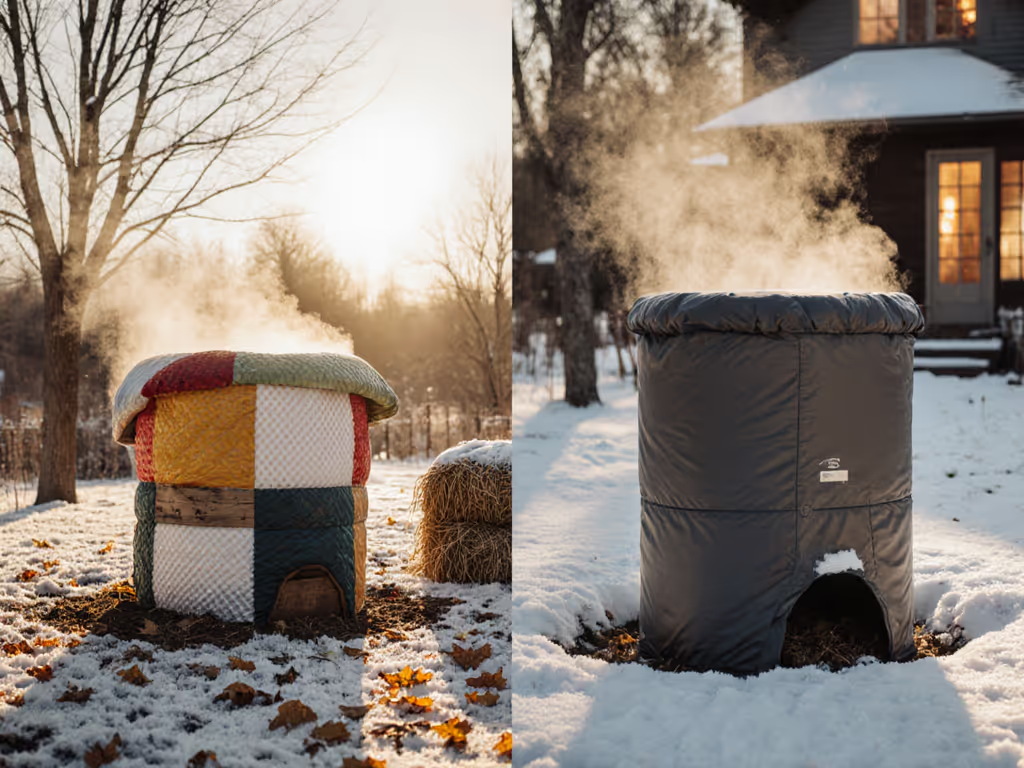
Compost insulation comparison strategies fall into two camps: DIY solutions using straw, leaves, and blankets (often free or under $50), and commercial insulated bins, tumblers, and jackets ($150-$500+), each with distinct tradeoffs in upfront cost, insulation performance, and long-term compliance risk. The right choice depends on your climate severity, available yard space, HOA rules, and how much thermal reliability you need to keep decomposition active through freezing weather.
Why Cold Climate Heat Retention Matters
When outdoor temperatures drop below 50°F, microbial activity begins to slow, and once the pile reaches freezing (32°F or below), the risk of complete decomposition shutdown increases significantly. Thermophilic bacteria, the workhorses driving active composting, require elevated internal temperatures to thrive; without insulation, a winter pile loses generated heat to the surrounding cold, stalling the breakdown of organic matter and leaving you with a frozen block come spring.
The consequence isn't just slow composting. A halted pile means kitchen scraps back in the trash, reduced waste diversion, and lost momentum on a practice you've committed to. For renters or homeowners in HOA-regulated communities, an inactive bin that sits visibly neglected all winter can trigger rule violations or neighbor concerns, so maintaining pile temperature isn't just about efficiency; it's about preventing compliance friction before it starts.
How DIY Insulation Works
DIY insulation relies on natural or reclaimed materials layered around and atop your existing bin or in-ground pile. These materials trap heat generated by decomposition and shield the pile from wind, snow, and direct cold air exposure. For system choices tailored to freezing conditions, see our winter composting comparison.
Common DIY Materials and Setup
Straw and hay bales are the traditional choice. Stack them around the perimeter of your bin and pile additional bales or loose straw on top. Straw breathes well (crucial for aerobic decomposition), resists compaction, and costs $3-$8 per bale if purchased; if collected from fall cleanup, it's free.
Dry leaves work equally well and are often easier to source in autumn. Bag them in fall, store them in a dry spot, then redistribute around your bin as winter approaches. Leaves settle over time, so you'll need more volume than straw, but the material is usually free.
Burlap sacks, old blankets, and tarps create an outer blanket layer. These are cheap (often free from storage or reclaimed) and go on top to trap rising heat and block moisture ingress. Avoid completely sealing the bin, airflow is still essential for aerobic decomposition.
Cardboard, foam boards, and bubble wrap can line the interior walls of wooden or plastic bins to reduce heat loss through thin panels. Cardboard is free if scavenged; foam boards cost $2-$5 per sheet. Line only the sides, leaving the top and bottom somewhat open for aeration and drainage.
Snow itself acts as an insulator in deep-winter climates, trapping heat when piled around the bin exterior. No cost, but only available in cold regions and requires you to leave the pile exposed rather than cover it with tarps.
DIY Insulation: Pros, Cons, and Hidden Costs
Pros:
- Upfront cost is minimal to free if you scavenge or recycle materials.
- No installation complexity, layer materials as the season changes.
- Flexibility: adjust thickness and placement based on how cold it gets.
- Allows full airflow and manual turning if you use a fork or spade.
Cons:
- Requires advance planning (collecting leaves in fall, sourcing bales).
- Materials degrade over time; straw and leaves break down, blankets tear, tarps degrade from UV and moisture.
- Rodent attraction: straw and leaves are nesting material, and gaps between bales or under blankets invite mice or rats, a serious risk if neighbors are stakeholders in your bin's appearance and safety.
- Wind can scatter loose insulation layers, leaving your pile exposed and less effective.
- Maintenance burden: you'll need to replace deteriorating materials mid-season or add more if temperatures drop unexpectedly.
- Visual clutter: stacked hay, scattered leaves, and draped blankets look ad hoc and may violate HOA appearance standards or trigger neighbor concern.
- Moisture trap: thick blankets over the top can wick condensation directly onto the pile, making it soggy if not monitored.
How Commercial Insulation Solutions Work
Commercial options include insulated bins (double-walled plastic or wood with built-in insulation), compost jackets that wrap around existing bins, and insulated tumblers designed to maintain internal heat while allowing mixing.
Insulated Bins
These are standard compost bins with thicker walls, often filled with insulation material or designed with double-layer construction. Many come with air vents to allow passive aeration. Temperatures inside can reach 140°F (60°C) in winter, compared to 50-70°F in uninsulated bins, a critical difference for active decomposition.
Cost range: $150-$350 per bin. If you’re weighing premium insulated options, see our HOTBIN vs Green Johanna comparison.
Pros:
- Purpose-built for heat retention; no assembly or layering required.
- Sealed design reduces rodent entry points if constructed well.
- Cleaner aesthetic: neighbors see a discrete bin, not a sprawl of straw.
- Durability: commercial bins last 5-10+ years with minimal maintenance.
- Compliance-friendly: many municipal waste programs and HOAs approve them as tidy, enclosed systems.
Cons:
- Higher upfront cost; breaking the bin on a small pile feels like poor value.
- Limited turning space inside; you're constrained by bin design rather than free to mix as desired.
- Weight: full insulated bins are heavy and difficult to move or empty.
- May require winter-specific adjustments (e.g., ensuring drainage isn't frozen shut).
Compost Jackets
These removable covers (like the Green Johanna jacket) wrap around your existing bin to add an insulation layer. In controlled tests, a jacket increased compost temperature from 86°F to 140°F, a 54°F jump, even in winter conditions. To track that rise accurately, choose a reliable compost thermometer.
Cost range: $40-$150 depending on jacket size and material.
Pros:
- Retrofit: no need to buy a new bin; works with systems you already own.
- Easier to remove or adjust than permanent insulation.
- Cheaper than a new insulated bin.
Cons:
- Modest insulation boost compared to a purpose-built bin; best used as supplementary protection, not primary.
- Requires the original bin to already have decent structure.
- Still exposes you to wind and cold if the jacket isn't thick enough.
Insulated Tumblers
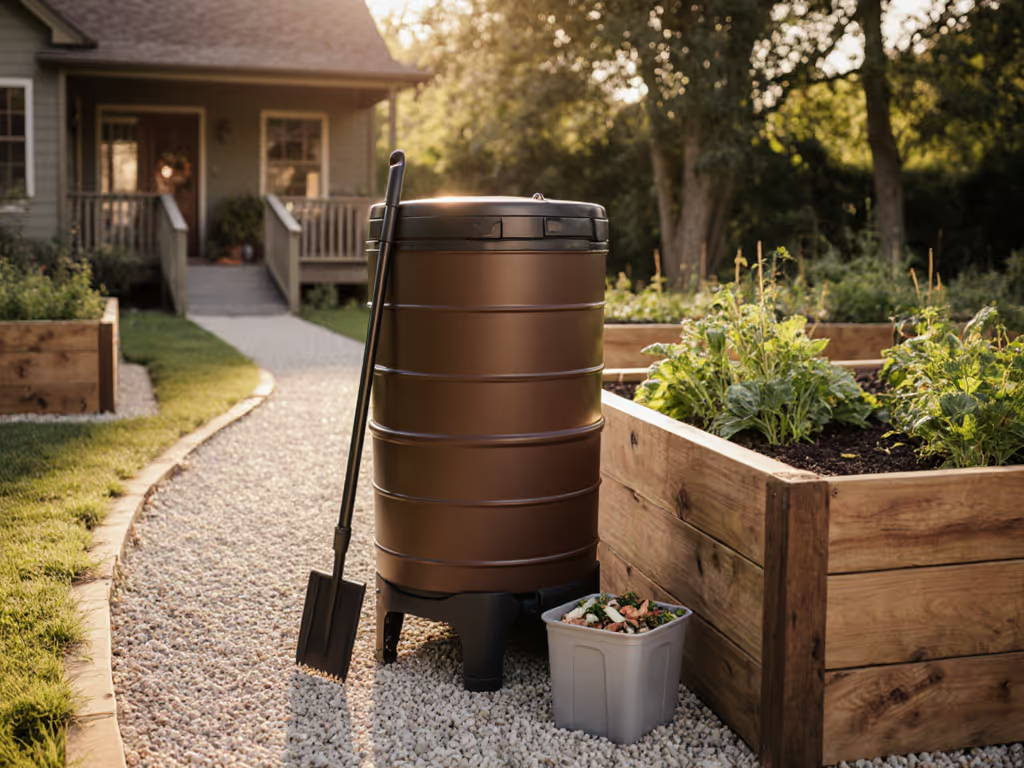
Tumblers like the Jora model combine heavy-duty insulation with mechanical turning, reaching internal temperatures up to 160°F (71°C), hotter than stationary piles. They keep contents off the ground, which prevents cold soil from wicking moisture and heat in winter.
Cost range: $300-$600+ for quality insulated models.
Pros:
- Peak heat retention; high internal temperatures ensure fast decomposition even in extreme cold.
- No manual turning required (electric models) or minimal effort (hand-crank models).
- Pest-proof: fully enclosed and elevated off the ground.
- Compact footprint; ideal for small yards or patios.
- Produces finished compost faster than stationary insulated bins.
- Very HOA-friendly: sleek, enclosed, low-profile appearance.
Cons:
- Highest upfront cost ($300-$600+).
- Heavy and awkward to position; may require permanent placement.
- Electric models depend on power access and reliability.
- Maintenance requirements: seals, vents, and moving parts can wear out.
- Overkill if your climate doesn't regularly drop below freezing or if you have a large pile naturally insulating itself.
DIY vs. Commercial: Side-by-Side Comparison
| Factor | DIY Insulation | Insulated Bins | Insulated Tumblers |
|---|---|---|---|
| Upfront Cost | $0-$50 | $150-$350 | $300-$600+ |
| Maintenance | High (replace materials seasonally) | Low (check vents, ensure drainage) | Medium (check seals, clean vents) |
| Pest Resistance | Weak (invites rodents in straw/leaves) | Strong (sealed walls) | Very Strong (elevated, fully enclosed) |
| Neighbor Perception | Often concerns (looks ad hoc, can scatter) | Good (tidy appearance) | Excellent (compact, professional) |
| Winter Performance | 50-80°F inside | 100-140°F inside | 120-160°F inside |
| Ease of Turning/Access | Easy (fork access, manual control) | Moderate (limited internal space) | Very Easy (mechanical or hand-crank) |
| Durability | 1-2 seasons per material layer | 5-10+ years | 5-10+ years |
| HOA/Code Risk | Moderate to High (visual, possible violations) | Low (compliant design) | Very Low (approved appearance) |
| Best For | Mild winters, temporary setups, free-material sourcing | Moderate winters, existing bins, compliance priority | Severe winters, high-volume scrap, pest pressure |
Choosing Your Path: Key Decision Factors
Climate Severity
If your winter lows stay above 40°F, DIY insulation often suffices; the pile won't fully freeze, and microbial activity won't halt completely. If temperatures regularly drop to 20°F or below, commercial insulation becomes worth the investment to maintain reliable decomposition and avoid winter backlog.
Space and Aesthetics
Renters or HOA-regulated homeowners should default to commercial solutions. A sealed bin or tumbler avoids neighbor friction and compliance risk, a lesson learned by many after HOA warnings about unsightly piles or perceived odor sources. When one board sent a warning about nuisance odors after a windy week scattered debris, the solution wasn't to add more loose insulation; it was to move to sealed tumblers with ground anchoring and consistent carbon top-offs. Complaints dropped to zero, and three neighbors then joined the curbside scraps pickup negotiated with the hauler. Compliance first, then convenience, no fines, no raccoon headlines.
Budget
If cost is paramount and you have time to source and manage materials, DIY is the entry point. If your scrap volume is high, winters are harsh, or you value reliability over frugality, a commercial bin or tumbler pays for itself through reduced waste-to-trash diversion and finished compost output.
Scrap Volume
A small household (1-2 people) generating 2-3 cups of scraps per week can make an insulated bin work and won't overfill it. A family of 4+ generating 10+ cups weekly needs either a large tumbler or a hybrid system (two smaller bins or one commercial bin + DIY surface insulation). Undersized bins won't generate enough thermal mass to stay warm in winter, regardless of insulation method.
Rodent and Wildlife Pressure
If your region has raccoons, rats, or bears, commercial sealed systems are non-negotiable. Straw and hay bales create shelter and pest highways. Cardboard and blankets are easily torn. A sealed, elevated tumbler or bin eliminates this risk entirely.
Time and Maintenance Tolerance
DIY requires you to replenish materials, monitor moisture under blankets, and replace degraded straw or leaves. If you have limited time or prefer a "set it and forget it" approach, commercial insulation saves effort.
Implementation Checklists
DIY Insulation Setup
- In early autumn, collect and dry bags of leaves from yard cleanup (store in a dry garage or shed).
- Source 4-8 straw or hay bales (check local farm suppliers, landscapers, or garden centers).
- Ensure your bin or pile is positioned in a spot receiving some winter sun and sheltered from harsh winds.
- Layer straw bales around the perimeter of the bin, stack 2-3 bales high on all four sides.
- Add a layer of leaves or straw on top of the compost pile itself, 6-12 inches thick.
- Cover the very top with burlap sacks or an old blanket secured with rope or stakes to prevent wind scatter.
- Check the setup after high winds or heavy snow; repair gaps or replace displaced materials.
- Plan to refresh or add materials mid-season (late December/January) if winter is especially harsh.
- In early spring, remove insulation layers as temperatures warm and allow the pile to resume normal aeration.
Commercial Bin/Tumbler Setup
- Measure your yard or patio to confirm the bin or tumbler fits the intended spot.
- Check local HOA rules or rental agreement to confirm no restrictions on type or placement.
- Choose a location receiving some winter sun, shielded from strong winds, and with adequate drainage (avoid low spots where water pools).
- Assemble or position the bin per manufacturer instructions; ensure it's level and secure if elevated.
- If the bin has air vents or drainage slots, confirm they're not blocked by snow or debris.
- Add your first batch of compostable materials, filling to the level recommended by the manufacturer.
- Turn or rotate per design (manual turning, hand-crank, or electric cycle) once every 1-2 weeks during active winter months.
- Monitor internal temperature if the bin has a thermometer port (target: keep it above 100°F in winter).
- Check after significant cold snaps to confirm the system is functioning and not frozen.
- Plan your spring transition: decide whether to harvest finished compost or refill for spring/summer use.
Seasonal Timing and Troubleshooting
Early Fall (September-October): Begin collecting and storing insulation materials (leaves, cardboard, burlap). If you're upgrading to a commercial bin, order and install it now, before late-season scrap volume spikes.
Early Winter (November-December): Apply full insulation layers (DIY or commercial). Transition your pile to winter maintenance: reduce turning frequency slightly to avoid excessive heat loss, but still turn every 1-2 weeks to maintain aeration and microbial activity.
Deep Winter (January-February): Monitor for frozen drainage ports or blocked vents. If your DIY insulation has settled or been displaced by wind, reinforce it. If decomposition has slowed noticeably, consider adding fresh green material (grass clippings, food scraps) or a small amount of manure to jumpstart bacterial activity.
Late Winter (March-April): Begin removing insulation layers as daytime temperatures rise above freezing consistently. Increase turning frequency to aerate and warm the pile as spring microbial activity accelerates. Plan your next season's insulation or bin strategy based on how this winter performed.
Common Winter Problems:
- Pile froze solid despite insulation: Either the insulation was insufficient for your climate, or the pile size was too small to generate internal heat. Consider a larger pile, thicker insulation layer, or upgrading to a commercial option next winter.
- Soggy, anaerobic pile under blankets: Moisture trapped under insulation prevents airflow. Remove blankets weekly to let the pile breathe, or use breathable materials (straw, leaves) instead of tarps or blankets.
- Rodents nesting in straw/leaf insulation: Switch to cardboard, foam, or a commercial sealed bin to eliminate pest habitat.
- Insulation collapsed under snow weight: Use rigid materials (foam boards, bin walls) rather than loose straw or leaves if heavy snow is common in your region.
Further Exploration
Before committing to either approach, ask yourself:
- Does your climate consistently reach freezing, or just dip below 50°F occasionally? Answer determines insulation urgency.
- How much yard visibility and HOA scrutiny does your bin receive? If high, commercial is lower-risk.
- What's your scrap volume, and how much time do you genuinely have for seasonal material sourcing and replacement? Honest answers avoid buyer's remorse.
- Are there municipal rebates, curbside pickup subsidies, or bear-resistant bin certifications available in your area? These can offset commercial costs and align your choice with local incentives.
- Does your household buy into winter composting, or will compliance and neighbor trust benefit from a system that requires minimal input? Commercial insulation removes excuses and friction.
Compost insulation is a winter investment (whether in materials or systems) that protects your waste diversion momentum and keeps decomposition alive when temperatures plummet. The choice between DIY and commercial isn't about being cheap or fancy; it's about matching your climate, risk tolerance, and community context to a solution that actually delivers compost in spring rather than a frozen, frustrated pile.
Related Articles